





Outcomes & Impact
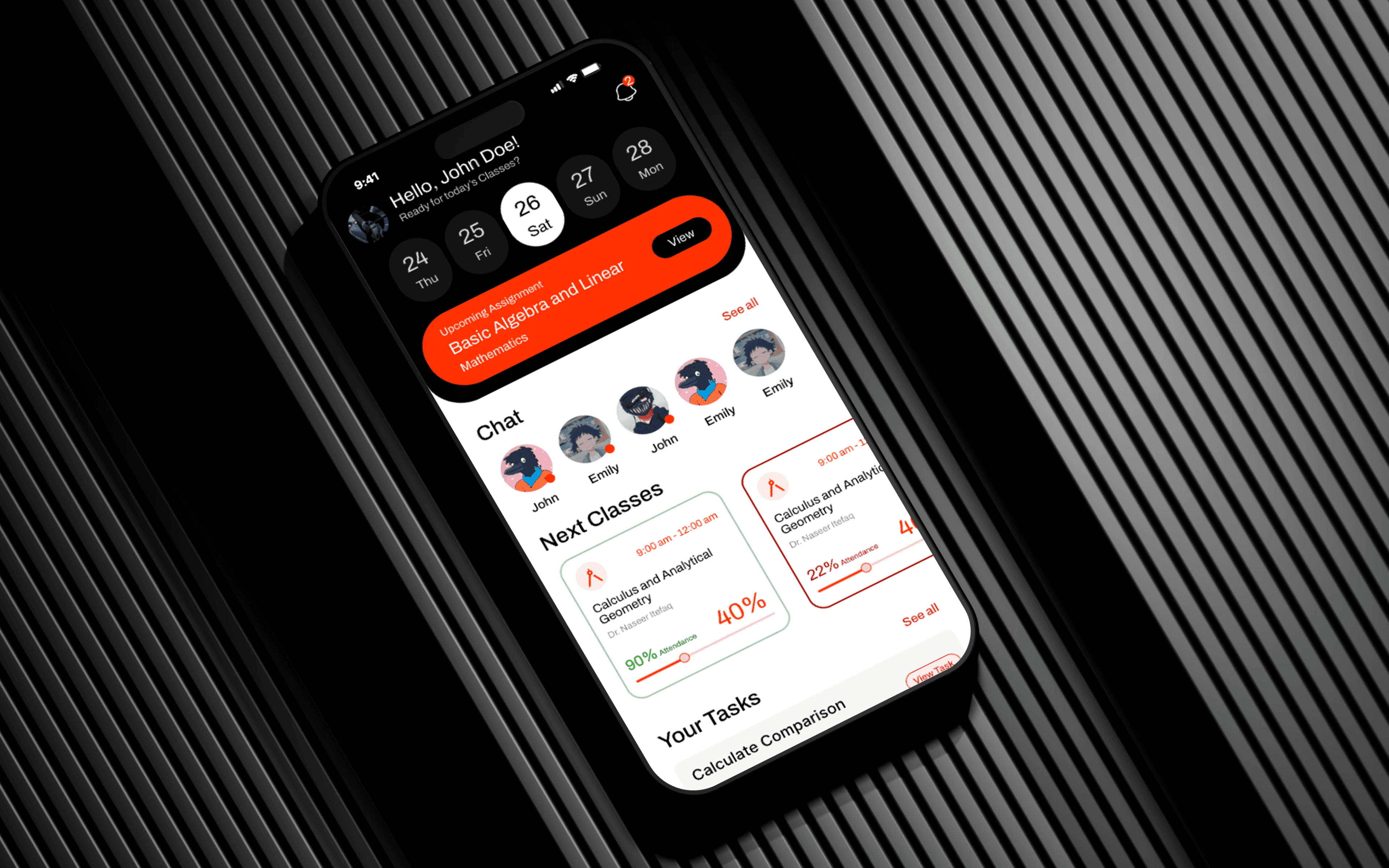
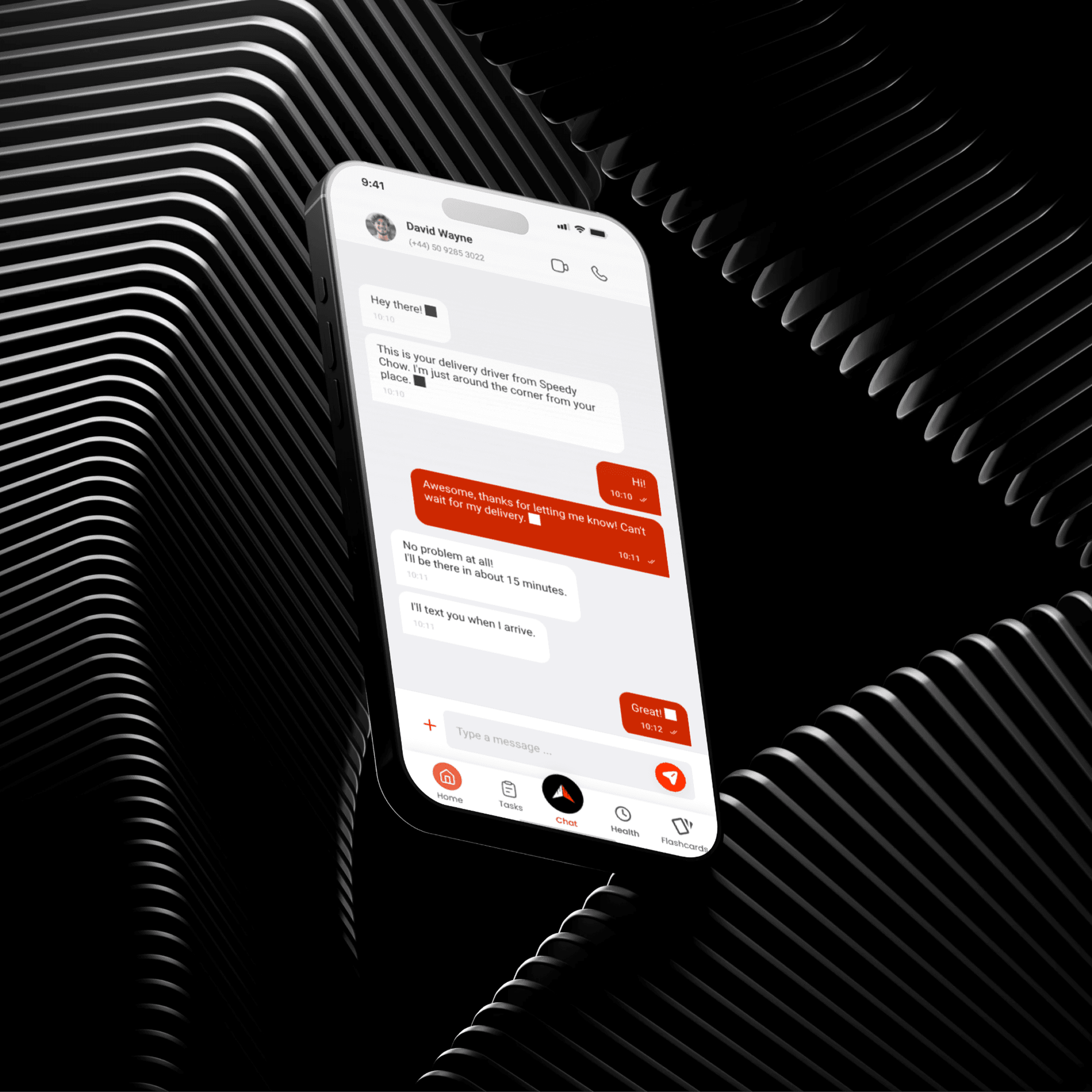
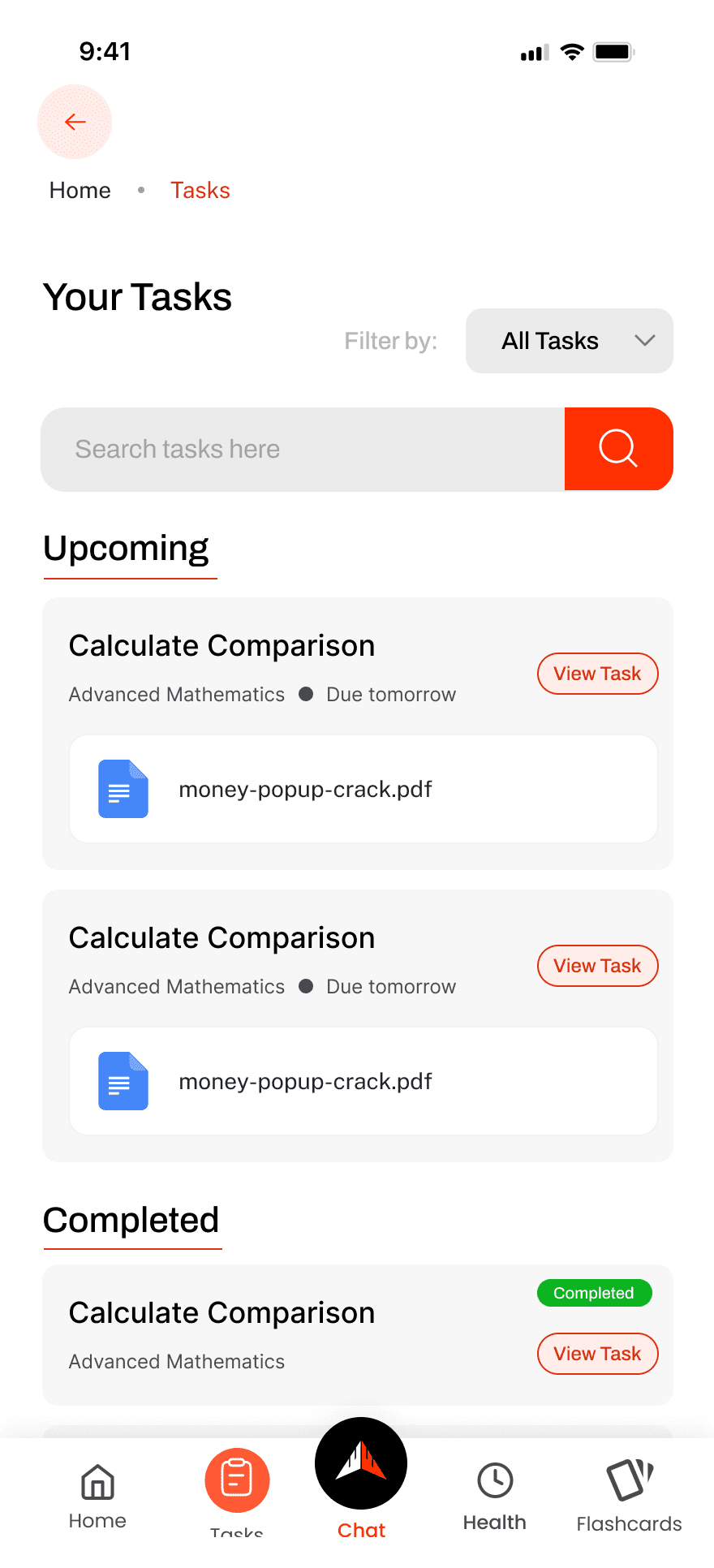
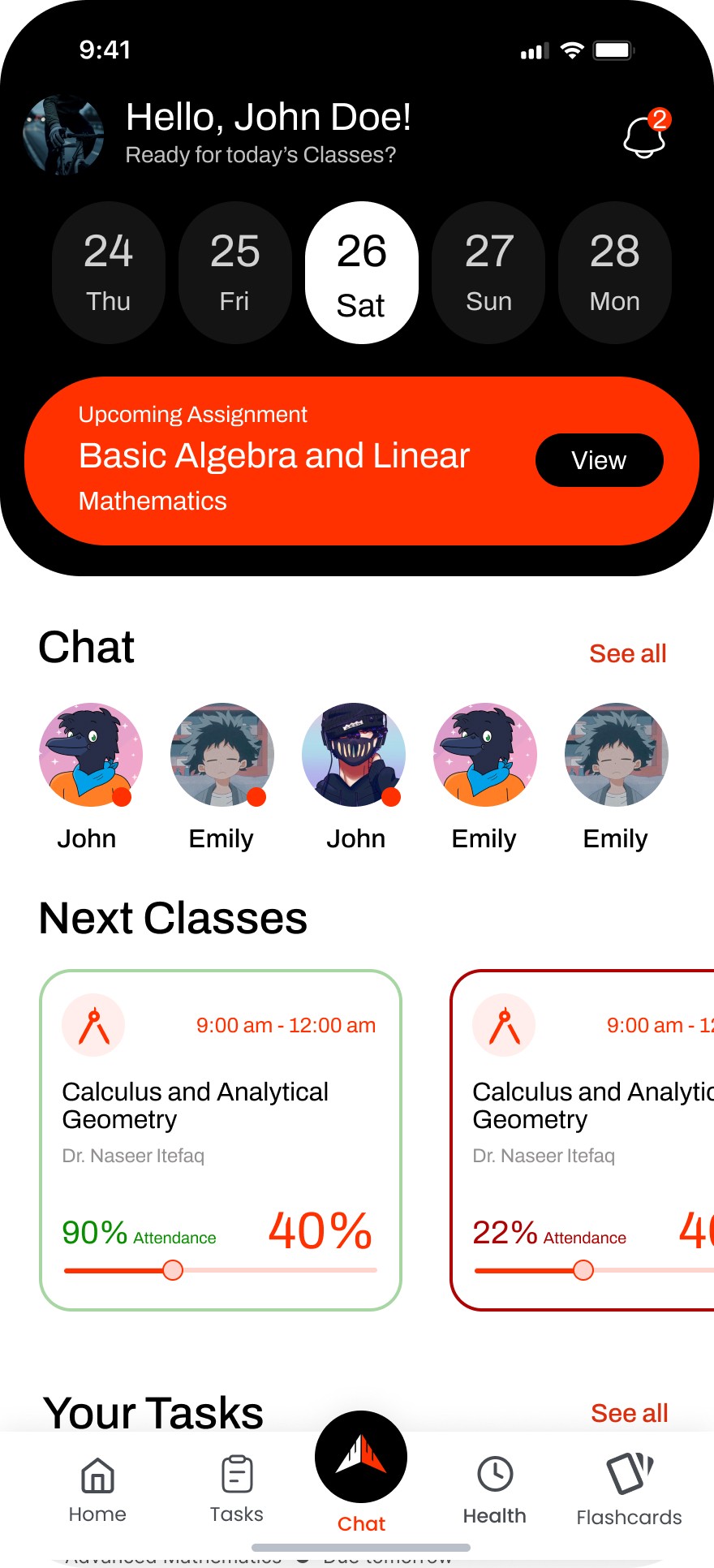
Despite being designed in under 8 hours, Alli successfully delivered a complete, mobile-first experience that addressed both academic overload and emotional well-being — a rare combination in the student productivity space.
Presented to a panel of judges during a live UX/UI competition in Lahore
95% task success rate during post-event usability testing
Used as a research base for further academic work on mobile mental health tools
Commended for its balance of clarity, empathy, and accessibility in student-focused design
Reflection & Learnings
Designing Alli under real-time pressure forced me to focus on what mattered most — not the fanciest screens, but the clearest, most emotionally grounded experience possible.
Here’s what I learned:
Designing for stress means removing stress — from visual clutter to copy tone
Good accessibility is baked in early, not bolted on later
Emotional UX is not a trend — it's a competitive advantage when done right
Fast decisions don’t mean reckless ones — they mean prioritized, user-centered ones
What’s Next
If developed further, Alli could evolve into a full wellness and productivity ecosystem tailored to students’ unique cultural and academic challenges.
Key next steps:
Integrate real-time mood-adaptive UI feedback
Expand accessibility with local languages and voice recognition
Add journaling prompts, breathing exercises, and AI-powered nudges
Partner with universities or youth programs for pilot testing